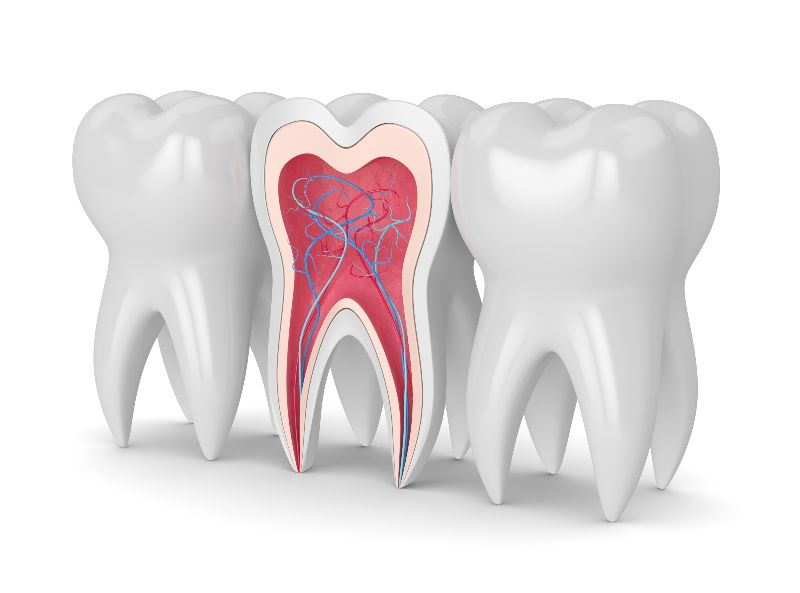
You just had a root canal, and now you have started experiencing all sorts of weird symptoms. You have a stuffy nose and a post-nasal drip. All symptoms indicate that you may have a sinus infection. But can a root lead to a sinus infection?
Let’s find out!
What to Expect During a Root Canal?
If you save a severe cavity, a cracked or fractured tooth, your dentist will likely recommend root canal therapy to try and save the tooth. It’s a procedure that involves removing the infected or damaged pulp before it can spread to other teeth or parts of the body and cause serious health problems.
After the tooth has been cleaned, the dentist will seal it with a special material to prevent further infection. Then they will place a crown over the tooth to protect it and restore its function.
Although quite invasive, root canals aren’t painful since you will be given a local anesthetic that will numb your entire mouth.
Root Canals and Sinus Infections: Is There a Connection?
There is a common misconception that root canals can cause sinus infections, but there is no scientific evidence to support this claim. The roots of the teeth and the sinuses are not directly connected, so it is not possible for a root canal to directly cause a sinus infection.
However, some people may develop a condition known as sinus communication. It happens when there’s a small puncture in the sinuses’ lining. Common symptoms of sinus communication include:
Stuffy nose
Post-nasal drip
A runny nose
While all these signs may be indicative of sinus infections, there is one symptom that is specific to sinus communication. If you feel as if liquid is entering your nose when you are drinking or air is going through the hole of your root canal, then those are clear signs of sinus communication.
These symptoms usually resolve themselves in about two or three days without medication.
What to Do After a Root Canal to Avoid Complications
Here’s what you can do to reduce the risk of complications after a root canal in Jacksonville:
Follow your dentist’s instructions for caring for your tooth after the procedure. This may include taking prescribed medications, avoiding certain foods or activities, and cleaning the tooth.
Practice good oral hygiene. Brush and floss your teeth regularly to help prevent infection.
Maintain a healthy diet and lifestyle. Eat a balanced diet and get enough rest to help your body heal properly after the root canal.
If you develop symptoms of a sinus infection after a root canal and they don’t go away in a couple of days, get in touch with your dentist or doctor and tell them about your problem.
Root Canals with a Doctor You Can Trust? Call Us!
Are you anxious about root canals and want a team of experienced and compassionate professionals? At JAX Dental Studio, we make sure that all our patients are safe and comfortable during every procedure.
Get in touch with us online to book your appointment.
Frequently Asked Questions about Failed Root Canal Sinus Infection
Can a root canal procedure cause sinus pain?
A root canal procedure typically does not directly cause sinus pain since the roots of your teeth and sinuses are not directly connected. However, if the tooth being treated is one of your upper teeth, the procedure could lead to sinus communication. This happens when a small puncture occurs in the sinus lining, which might cause sinus pressure, stuffy nose, or sinus pain. These symptoms usually resolve on their own in a couple of days, but if they persist, consult your dentist.
How can a root canal treatment help with tooth pain caused by an infected dental pulp?
Root canal treatment is designed to remove infected tissue from within the tooth, including the infected dental pulp. If you have tooth pain due to infection, this procedure can help alleviate the discomfort by eliminating the infection and sealing the tooth. The root canal procedure ensures that all the infected tissue is removed, preventing the infection from spreading to other parts of the mouth and body, which is crucial for long-term oral health.
Can a tooth infection lead to sinus pressure?
Yes, a severe tooth infection, particularly in the upper teeth, can cause sinus pressure. The roots of these teeth are near the sinuses, and if the infection spreads, it can irritate the sinus lining. This can lead to sinus pain, pressure, or even a sinus infection. If you experience symptoms like stuffy nose or sinus pain along with tooth pain, it’s important to seek treatment right away, as an untreated infection could worsen.
Why is it important to remove all the infected tissue during a root canal procedure?
During a root canal procedure, it’s crucial to remove all the infected tissue, including the infected dental pulp. If any infected tissue remains inside the tooth, the infection can persist and even spread to nearby areas like the sinuses. Removing all the infected tissue not only helps eliminate tooth pain but also prevents the infection from causing additional complications like sinus pressure, severe pain, or even an abscess.
How do I know if I have a sinus infection after a root canal procedure?
If you experience sinus pain or sinus pressure after a root canal, it could indicate a sinus infection, but it might also be a sign of sinus communication. This occurs when a small puncture is made in the sinus lining during the root canal procedure. Symptoms of sinus infection or communication may include a stuffy nose, sinus pressure, or tooth pain. If these symptoms persist, you should consult your dentist to determine whether the problem is due to a sinus infection or another issue.
What is sinus communication and how does it differ from a sinus infection?
Sinus communication is a rare complication where a small puncture occurs in the sinus lining during root canal treatment on upper teeth. This creates a tiny hole between your tooth socket and sinus cavity, causing symptoms similar to a sinus infection including nasal congestion, post-nasal drip, and sinus pressure. However, unlike a true sinus infection, sinus communication has two unique symptoms: feeling liquid enter your nose when drinking and sensing air passing through the tooth socket when breathing. Most cases of sinus communication heal naturally within 2-3 days without medication since the hole is typically very small. A true sinus infection is caused by bacteria entering your sinuses and usually requires antibiotics from your doctor. If your symptoms persist beyond a few days or worsen, contact JAX Dental Studio for evaluation to determine whether you need additional treatment.
Can an infected tooth cause sinus problems before the root canal is performed?
Yes, a severe infection in your upper teeth, particularly the upper molars and premolars, can actually cause sinus problems before you even have a root canal. The roots of your upper back teeth are located extremely close to your maxillary sinus lining—in some cases, the roots can even poke through the sinus floor. When a tooth infection is deep and severe, bacteria can spread from the infected tooth into the sinus lining, causing what’s known as “maxillary sinusitis of endodontic origin.” This creates sinus pressure, congestion, and other sinusitis symptoms. Getting root canal therapy actually helps resolve this issue by removing the source of infection from your tooth. If you experienced sinus symptoms before your root canal due to tooth infection, it may take a few days after treatment for those symptoms to fully resolve as your body clears the remaining bacteria.
How can I tell if my post-root canal symptoms are normal or require medical attention?
Normal post-root canal symptoms that resolve within 2-3 days include mild nasal congestion, slight sinus pressure, or post-nasal drip—especially if you had upper teeth treated. These typically indicate minor sinus communication that’s healing on its own. However, you should contact Dr. Poblenz or seek medical attention if you experience severe or worsening pain, symptoms lasting longer than one week, fever or facial swelling, continued tooth pain suggesting treatment failure, or symptoms of a large sinus communication hole. If you suspect a true sinus infection with thick nasal discharge, facial pain, and fever, see your doctor for antibiotics, as root canal treatment eliminates dental bacteria but won’t treat existing sinus infections. Following proper aftercare instructions—including avoiding nose-blowing immediately after the procedure, maintaining good oral hygiene, and attending follow-up appointments—helps ensure smooth healing and prevents complications.