AACD MEMBER DENTIST • JACKSONVILLE, FL
Get relief from damaged, infected, or problematic teeth with gentle tooth extractions and same-day care when needed. JAX Dental Studio prioritizes your comfort during every procedure at our Jacksonville, FL office.
★★★★★5.0 | 450+ Reviews
Dr. Charles Poblenz, DMD
ADA & AACD Member
Most Insurance Accepted
Jacksonville, FL
Tooth pain, extensive decay, a failed root canal, advanced gum disease, or an impacted wisdom tooth can reach a point where the tooth itself becomes the source of the problem. When that happens, removal is the first step toward resolving the pain and protecting the surrounding teeth and bone. As part of our oral surgery services in Jacksonville, FL, our team works carefully to identify when extraction is truly necessary and when a restorative option may still preserve the tooth instead.
At JAX Dental Studio in San Marco, Dr. Charles Poblenz, DMD reviews your digital X-rays and full dental history before recommending any extraction. Our approach is never to remove a tooth without exhausting alternatives first. When extraction is the right path forward, we make the process as smooth as possible with local anesthesia, sedation options for anxious patients, and same-day care for urgent situations. Jacksonville neighbors from across the Southside trust our team for reliable, compassionate dental care at emergency appointments and scheduled visits alike.
Dr. Poblenz earned his Doctorate of Dental Medicine from the University of Kentucky College of Dentistry and has been treating Jacksonville patients with a gentle, thorough approach since returning to the area. His training in periodontal health and restorative care gives him a comprehensive perspective when evaluating whether extraction is truly the right call. Every treatment plan is reviewed with the patient in advance, including a discussion of tooth replacement options such as dental implants in Jacksonville, FL, bridges, or dentures, so you are never left without a clear path forward after an extraction.

Tooth decay is the most common reason for tooth removal.
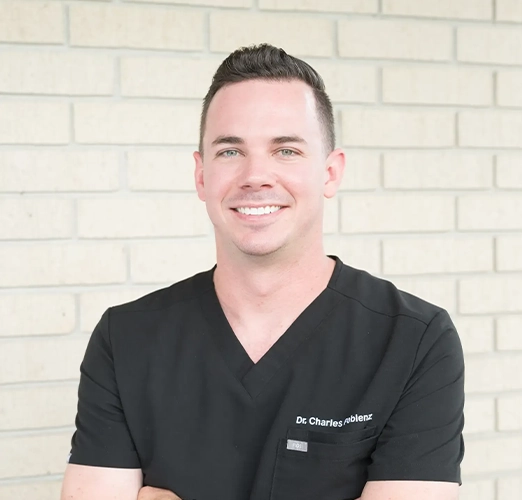
Dr. Charles Poblenz, DMD
Doctor of Dental Medicine • Jacksonville, FL
Dr. Poblenz earned his Bachelor of Science in Psychology from the University of North Florida and his Doctorate of Dental Medicine from the University of Kentucky College of Dentistry. He has been serving the San Marco community since returning to Jacksonville, combining rigorous clinical training with a patient-first approach. Dr. Poblenz volunteers through the Donated Dental Services program, offering free care to Jacksonville's most vulnerable residents.
He approaches every tooth extraction the same way he approaches every procedure: with a thorough review of your imaging, a clear explanation of your options, and a plan for what comes next. His memberships reflect a commitment to the full picture of your dental health.
To begin, your dentist will clean and disinfect the treatment site in preparation for the extraction procedure.
Your dentist will use local anesthesia to numb the extraction site and the nerves that surround it, ensuring that you feel no pain or discomfort during the procedure.
We may recommend, or you may request, sedation for your tooth extraction. Sedation is helpful for anxious patients and can make you more comfortable during longer extraction procedures.
Your dentist will gently loosen the tooth in the socket using special dental tools. When it has been loosened sufficiently, they will pull it out with a pair of dental forceps.
When the tooth has been removed, your dentist will clean and disinfect the area again, and suture the extraction site to ensure it heals properly.
You’ll be sent home to heal and recover, and your dentist will provide you with a comprehensive set of instructions that will ensure your mouth heals as quickly as possible.
When a tooth can no longer be saved, the provider you choose for your extraction matters. At JAX Dental Studio, Dr. Charles Poblenz uses digital X-rays and careful imaging review to plan every procedure before a single step of treatment begins. Our team offers sedation options for patients who experience anxiety, and we take the time to walk you through your aftercare plan so your recovery stays on track. Dr. Poblenz and the full JAX team complete continuing education hours that far exceed Florida state requirements, staying current with the latest techniques so you always receive the highest quality of care available.
Dr. Poblenz is a member of the American Dental Association, the Florida Dental Association, the Academy of General Dentistry, the American Academy of Cosmetic Dentistry, and the American Academy for Oral Systemic Health. Our San Marco office has earned a 4.9-star rating across more than 500 Google reviews from Jacksonville patients who trusted us during some of their most difficult dental moments. We accept BlueCross BlueShield, Humana, Cigna, Florida Combined Life, and Aetna, and we offer CareCredit and Cherry financing and an in-house membership plan for patients without insurance coverage.

Dr. Poblenz always considers every option to save a tooth before recommending removal. When extraction is the right course, it is usually because one of the following conditions is present.
After any extraction, Dr. Poblenz discusses tooth replacement so you have a clear, practical plan for restoring your smile and protecting your bite.
Before your extraction, let Dr. Poblenz know about all current medications, supplements, and any health conditions, particularly blood thinners, which may require coordination with your physician. If sedation is part of your plan, arrange for someone to drive you home and avoid food or drink for the hours your pre-op instructions specify. Wear comfortable, loose-fitting clothing and plan for a quiet day of rest afterward.
After the procedure, the most important thing you can do is protect the blood clot that forms in the empty socket. That clot is what seals the exposed bone and nerves as they heal. Losing it too early causes a painful condition called dry socket, which can significantly extend recovery. According to the American Association of Oral and Maxillofacial Surgeons, this is one of the most common complications after extraction but also one of the most preventable. To avoid dry socket and support smooth healing:
Most patients can return to work or school within 2 to 3 days. Initial tissue healing takes 1 to 2 weeks, and the bone will continue to fill in over the following months. If you experience worsening pain, persistent bleeding, or signs of infection at any point, contact our office right away.
Cost is one of the most common questions patients have before any dental procedure. We give you real answers before we start — not after. Here is how extractions are typically covered at JAX Dental Studio.
Most dental insurance plans cover tooth extractions as a basic or major restorative service. Coverage commonly ranges from 50% to 80% after your deductible is met. We are in-network with BlueCross BlueShield, Humana, Cigna, Florida Combined Life, and Aetna. We verify your benefits before treatment so you know your estimated out-of-pocket cost in advance. Visit our insurance and financing page for more detail.
If your out-of-pocket balance is more than you would like to pay at once, CareCredit and Cherry offers flexible payment plans that spread the cost over several months. Many patients are approved quickly and can use their credit at the first appointment. Ask our front desk for a link to apply before your visit.
No dental insurance? Our in-house membership plan provides significant discounts on preventive care and procedures, including extractions. It is a flat annual fee with no deductibles, no claim forms, and no waiting periods — designed for patients who pay out of pocket and want predictable pricing year-round.
A simple extraction removes a tooth visible above the gum line. Dr. Poblenz loosens the tooth from the socket using an elevator instrument, then lifts it free with dental forceps. The entire procedure is completed under local anesthesia so you feel pressure but not pain. Simple extractions are typically used when severe decay has destroyed too much tooth structure for a crown to hold, when gum disease has loosened a tooth beyond saving, or when an oral injury has fractured a tooth below the point of repair.
Once the tooth is out, Dr. Poblenz walks you through your options for filling the gap. Leaving an empty space can allow neighboring teeth to shift over time, affecting your bite and jaw alignment. Depending on your situation, restorative options such as a dental implant, a dental bridge, or a partial denture can restore both function and appearance after the extraction site has healed.
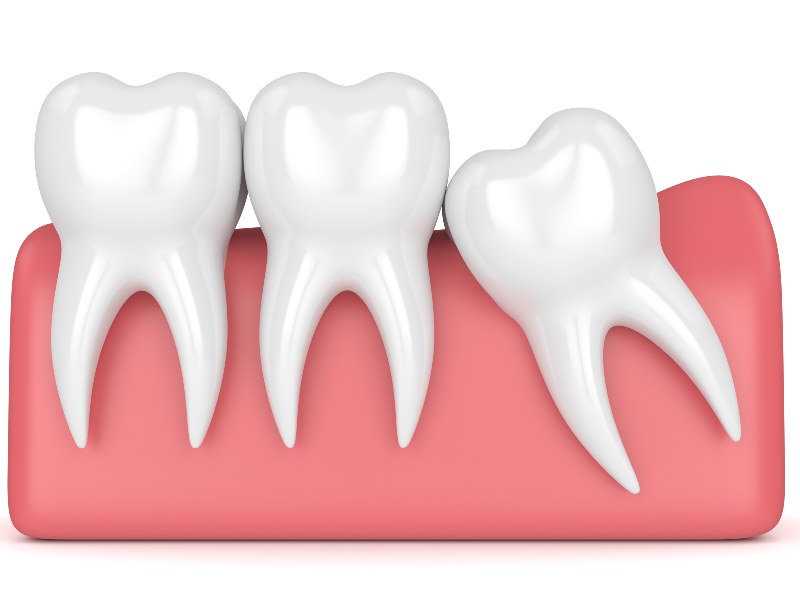
Wisdom teeth, or third molars, are the last teeth to emerge and typically appear between ages 17 and 25. Because most people’s jaws do not have enough room for these four additional molars, wisdom teeth are the most commonly extracted teeth in Jacksonville and across the country. When wisdom teeth erupt partially or at an angle, they push against the neighboring second molars, creating pain, alignment shifts, and pockets where bacteria collect easily.
Not everyone requires wisdom tooth removal. If your wisdom teeth emerge straight and fully, and you can keep them clean, extraction may not be necessary. Dr. Poblenz reviews your panoramic X-rays at routine visits to monitor how your wisdom teeth are developing and advises removal when the evidence supports it. Early removal in your late teens or early twenties is generally easier and heals faster than waiting until complications have developed.
An impacted wisdom tooth is one that has not fully broken through the gum line. It may be trapped beneath the gum tissue, growing sideways into the adjacent molar, or partially erupted with a flap of gum still covering part of the tooth. Impacted teeth are harder to clean and carry a higher risk of infection, abscess, and damage to neighboring teeth.
Removing an impacted tooth requires a surgical extraction. Dr. Poblenz administers local anesthesia and, when appropriate, offers sedation to keep you comfortable throughout. A small incision is made in the gum tissue to access the tooth. In many cases the tooth is sectioned into smaller pieces so it can be removed more safely through a smaller opening. The site is then cleaned, any debris is cleared, and the incision is sutured. Most patients are back to normal activity within a few days, though full bone healing can take several months.
An extraction may be necessary for orthodontic reasons like overcrowding.
Dr. Poblenz uses local anesthesia to thoroughly numb the tooth, surrounding bone, and gum tissue before beginning. You will feel pressure as the tooth is loosened and lifted, but you should not feel pain. If at any point you experience sharp discomfort during the procedure, let us know immediately and we will apply additional anesthesia before continuing. For patients who want extra comfort, sedation options are available. Any soreness typically begins a few hours after the anesthesia wears off and peaks around the first 48 to 72 hours, then gradually fades. Over-the-counter pain relievers and an ice pack applied to the outside of your cheek manage most post-operative discomfort effectively.
Most discomfort peaks in the first 2 to 3 days and then gradually improves. Soreness, mild swelling, and some jaw stiffness are all normal during this window. The initial tissue healing, where gum tissue closes over the socket, takes about 1 to 2 weeks. Underlying bone continues to remodel and fill in over 3 to 6 months, though you typically won’t notice this process at all. For simple extractions, most patients feel back to normal by day 3 or 4. Surgical extractions, such as impacted wisdom tooth removal, may take a few extra days. If pain is still worsening or has not improved after a week, contact our office — this can sometimes signal a complication such as dry socket or a developing infection that needs to be addressed.
Yes, most dental insurance plans cover tooth extractions as a basic or major restorative procedure, often at 50% to 80% after your deductible is met, up to your plan’s annual maximum. JAX Dental Studio accepts BlueCross BlueShield, Humana, Cigna, Florida Combined Life, and Aetna. Our team will review your benefits with you before treatment begins so you have a clear picture of your out-of-pocket estimate. If you do not have insurance coverage, we offer CareCredit and Cherry financing through flexible payment plans and an in-house membership plan that provides meaningful discounts on care. Visit our insurance and financing page or call us with your insurance card handy and we will verify your coverage for you.
Dry socket is the most common complication after a tooth extraction. It occurs when the blood clot forms at the socket but is then dislodged before the tissue can heal around it, leaving the underlying bone and nerve endings directly exposed. It typically causes a distinctive sharp, radiating pain starting 3 to 5 days after the extraction, often extending toward the ear or jaw. To prevent dry socket, avoid straws, smoking, spitting, and any activity that creates suction pressure in your mouth for at least 48 to 72 hours. Eat soft foods, rinse gently with warm salt water starting the day after the procedure, and avoid vigorous exercise for the first 24 hours. If you suspect you have dry socket, contact JAX Dental Studio promptly — we can place a medicated dressing in the socket that brings significant relief while the tissue heals.
Stick to soft foods for the first 5 to 7 days: yogurt, scrambled eggs, mashed potatoes, applesauce, smoothies (no straw), soft-cooked pasta, and blended soups are all good options. Chew on the opposite side from the extraction site and avoid anything hot, spicy, crunchy, or chewy until the tissue is further along in healing. As the site closes and tenderness fades, you can gradually reintroduce firmer foods. You can read more about eating after a tooth extraction on our blog. Hydration is important throughout recovery, but do not use a straw at any point in the first 48 to 72 hours, as the suction pressure can dislodge the blood clot and cause dry socket.
Once a tooth other than a wisdom tooth is removed, the gap in your smile can affect how neighboring teeth shift, how you bite, and how your jawbone maintains its density over time. Bone loss in the area can begin within months of an extraction if no replacement is placed. The most common options are a dental implant (a titanium post that acts as a tooth root and supports a crown), a dental bridge (a fixed restoration that spans the gap anchored by neighboring teeth), or a removable partial denture. Dr. Poblenz reviews the pros and cons of each option based on your bone quality, the position of the missing tooth, and your overall treatment goals. For wisdom teeth specifically, replacement is generally not needed because those teeth do not serve a functional chewing role for most patients.
The type of extraction depends on whether the tooth is visible and fully erupted or is buried under gum tissue. A simple extraction is used for teeth above the gum line that can be loosened and lifted with standard instruments — typically straightforward and completed in a single short appointment. A surgical extraction is required when the tooth is impacted (wholly or partially beneath the gums), severely broken down at the gum line, or positioned in a way that makes simple removal impractical. In surgical cases, Dr. Poblenz makes a small incision in the gum to access the tooth, may section it into smaller pieces, and then sutures the site closed. Your pre-treatment X-rays tell Dr. Poblenz in advance which approach is right for you, and he discusses this with you before anything begins so you know exactly what to expect.
Dr. Charles Poblenz, DMD is an ADA, AACD, AGD, AAOSH, and Florida Dental Association member who completed his dental degree at the University of Kentucky and has spent his career serving Jacksonville with a gentle, thorough approach to every procedure. Our San Marco team holds a 4.9-star rating across more than 500 Google reviews, and we go well beyond Florida’s continuing education requirements every year to stay current with the latest techniques. We accept BlueCross BlueShield, Humana, Cigna, Florida Combined Life, and Aetna, and we offer CareCredit and Cherry financing and an in-house membership plan so cost is not a barrier to care.
If you are dealing with a painful or damaged tooth and are not sure whether extraction is the right step, we welcome you to come in for a consultation. Dr. Poblenz will review your X-rays, explain your options honestly, and give you a clear recommendation. Same-day appointments may be available for urgent situations. To get started, fill out our contact form or call our Jacksonville office directly to schedule your visit.
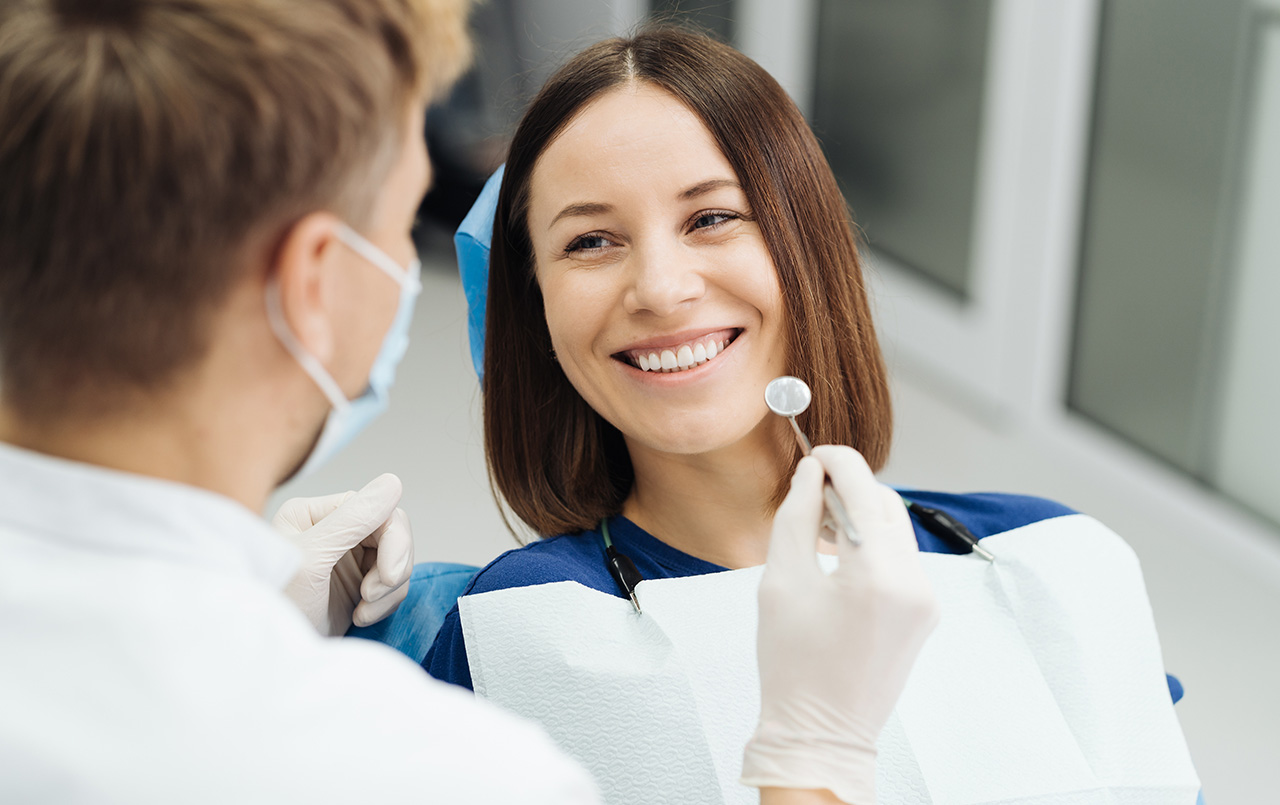
Most patients can return to work or school within 2-3 days days following an extraction.