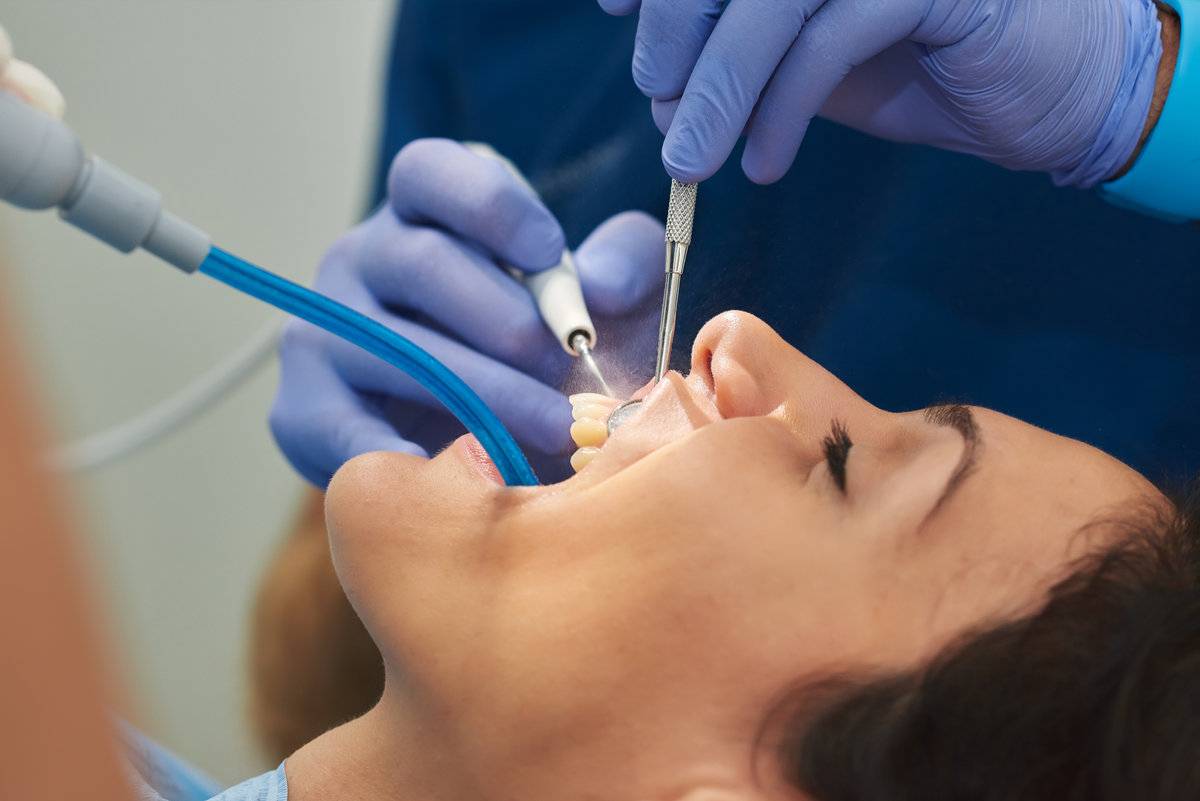
Most people should schedule a dental cleaning every six months, but your ideal frequency depends on your oral health status, risk factors, and your dentist’s recommendations. The standard twice-yearly cleaning works well for patients with healthy gums and low cavity risk, while others may benefit from more frequent visits. Preventive dentistry through regular cleanings helps catch problems early and keeps your smile healthy between appointments.
Understanding why cleaning frequency matters and what factors influence your personal schedule helps you make informed decisions about your dental care. Your dentist considers multiple factors when recommending how often you should come in for cleanings.
The Standard Six-Month Rule
The twice-yearly dental cleaning recommendation has been standard practice for decades. This schedule works well for most people because it provides enough time between visits to monitor your oral health while catching problems before they become serious. Six months gives your dentist regular opportunities to check for cavities, gum disease, and other issues.
During these appointments, your dental hygienist removes plaque and tartar buildup that brushing and flossing can’t eliminate. Even with excellent home care, some areas of your mouth are difficult to clean thoroughly. Professional cleanings reach these spots and prevent the accumulation of harmful bacteria.
Regular cleanings also allow your dental team to track changes in your oral health over time. They can identify patterns, spot early warning signs, and intervene before minor issues become major problems. This preventive approach saves you time, discomfort, and money in the long run.
Factors That Affect Cleaning Frequency
Your personal oral health needs determine how often you should schedule cleanings. Some people maintain excellent oral health with twice-yearly visits, while others need more frequent care. Several factors influence these recommendations.
Gum health plays a significant role in determining cleaning frequency. If you have healthy gums with no signs of inflammation or disease, standard six-month intervals usually suffice. However, patients with gingivitis or periodontal disease often need cleanings every three to four months to manage their condition and prevent progression.
Your cavity history also matters. People with a history of frequent cavities benefit from more regular cleanings and fluoride treatments. These additional visits help your dentist monitor problem areas and apply preventive treatments that strengthen your teeth.
Smoking and tobacco use increase your risk for gum disease and oral cancer, making more frequent dental visits important for early detection and intervention. Your dentist can monitor changes more closely with quarterly appointments. Similarly, certain medical conditions like diabetes affect your oral health and may require more frequent professional care.
Signs You Need More Frequent Cleanings
Your mouth often provides warning signs when you need professional attention more often than every six months. Bleeding gums when you brush or floss indicate inflammation and possible gum disease. While occasional bleeding might not concern you, consistent bleeding suggests you need a dental evaluation and possibly more frequent cleanings.
Persistent bad breath despite good oral hygiene habits can signal bacterial buildup below the gum line. Professional cleanings remove this bacteria and help eliminate the odor. Receding gums or teeth that feel loose also indicate problems that require more frequent monitoring and treatment.
If you notice rapid tartar buildup between cleanings, you might benefit from more frequent appointments. Some people naturally produce more plaque and tartar than others, regardless of their brushing and flossing habits. These patients need professional cleanings more often to prevent gum disease and decay.
Benefits of Regular Dental Cleanings
Professional cleanings offer benefits beyond just removing plaque and tartar. They help prevent cavities by eliminating the bacteria that cause tooth decay. Your hygienist can access areas that your toothbrush misses, providing a level of clean you can’t achieve at home.
Regular cleanings also prevent gum disease, which affects nearly half of adults over age 30. Gum disease starts with inflammation from bacterial buildup and can progress to serious infection and tooth loss if left untreated. Professional cleanings remove the bacteria that cause this inflammation.
These appointments also serve as comprehensive oral health checkups. Your dentist examines your teeth, gums, tongue, and other oral tissues for signs of problems. Early detection of issues like oral cancer, cavities, or damaged restorations allows for less invasive and less expensive treatments.
Professional cleanings can also brighten your smile by removing surface stains from coffee, tea, wine, and other foods. While not as dramatic as professional teeth whitening, regular cleanings help maintain a cleaner, brighter appearance.
Maintaining Oral Health Between Cleanings
Professional cleanings work best when combined with excellent home care. The American Dental Association recommends brushing twice daily and flossing once per day to remove plaque before it hardens into tartar. Using fluoride toothpaste strengthens your enamel and helps prevent cavities.
Consider these daily habits to extend the benefits of your professional cleanings:
- Brush for two minutes twice daily: Use a soft-bristled toothbrush and replace it every three to four months, or sooner if bristles become frayed, as worn brushes don’t clean effectively.
- Floss between all teeth once per day: Flossing removes food particles and plaque from areas your toothbrush can’t reach, preventing decay and gum disease between teeth.
- Limit sugary and acidic foods: Frequent exposure to sugar and acid weakens tooth enamel and feeds the bacteria that cause cavities and gum disease.
- Drink plenty of water: Water helps wash away food particles and bacteria throughout the day, and staying hydrated promotes healthy saliva production that protects your teeth.
- Avoid tobacco products: Smoking and chewing tobacco significantly increase your risk for gum disease, tooth loss, oral cancer, and other serious health problems.
These habits complement your professional cleanings and help you maintain optimal oral health throughout the year.
Schedule Your Cleaning at JAX Dental Studio
Dr. Charles Poblenz and the team at JAX Dental Studio provide personalized recommendations for cleaning frequency based on your individual oral health needs. The practice offers comprehensive general dentistry services that keep your smile healthy and beautiful. Whether you need routine preventive care or have been away from the dentist for a while, the friendly team welcomes you and works with you to establish a cleaning schedule that fits your needs. Contact JAX Dental Studio today to schedule your next cleaning and take an important step toward maintaining your oral health.