Medically Reviewed by Dr. Charles Poblenz, DMD on September 1, 2026
A sharp jolt of pain when you sip coffee or bite into ice cream usually means the protective layer of your tooth has thinned enough to expose the nerve underneath, a condition dentists call tooth sensitivity. It develops when enamel wears down or gums pull back, letting hot, cold, sweet, or acidic stimuli reach the nerve endings inside your tooth, and it can range from a brief twinge to a lingering ache that changes how you eat and drink.
Our team at JAX Dental Studio sees this concern often among Jacksonville patients, and most cases respond well to the right combination of at-home care and professional treatment once we identify what is driving your discomfort. Through our comprehensive preventive dentistry program at JAX Dental Studio, Dr. Charles Poblenz can pinpoint the source of your sensitivity and build a plan that fits your daily routine.
What Causes Tooth Sensitivity?
Tooth sensitivity rarely appears overnight. It develops gradually as the protective layers of your teeth wear away or become compromised, and pinpointing the specific cause is the first step toward lasting relief.
Enamel Erosion
The most common culprit is enamel erosion, which occurs when the hard, protective outer layer of your teeth wears down from acidic foods, aggressive brushing, or teeth grinding. Frequent consumption of acidic beverages like citrus juice, wine, or soda can soften enamel temporarily, and brushing right after eating something acidic wears it down further while it is still softened. Once enamel thins, it exposes the underlying layer called dentin, which contains thousands of tiny tubules that lead directly to the nerve center of your tooth.
Gum Recession
Gum recession creates another pathway for sensitivity to develop. When gums pull away from teeth due to periodontal disease, aggressive brushing, or aging, they expose root surfaces that lack the protective enamel covering found on the crown of your tooth. These exposed roots respond intensely to temperature changes, sweet foods, and even air, creating the sharp pain that characterizes tooth sensitivity.
Teeth Whitening Overuse
Whitening products, including some over-the-counter kits sold alongside professional teeth whitening services, can also leave teeth temporarily more sensitive, particularly when they are used more often than recommended or left on longer than directed. Bleaching agents work by penetrating the enamel to reach stains, and this same process can irritate the nerve inside your tooth for a few days after treatment. Sensitivity from whitening usually fades on its own, but repeated or unsupervised use can wear down enamel over time and make the problem worse.
Cracked or Damaged Teeth
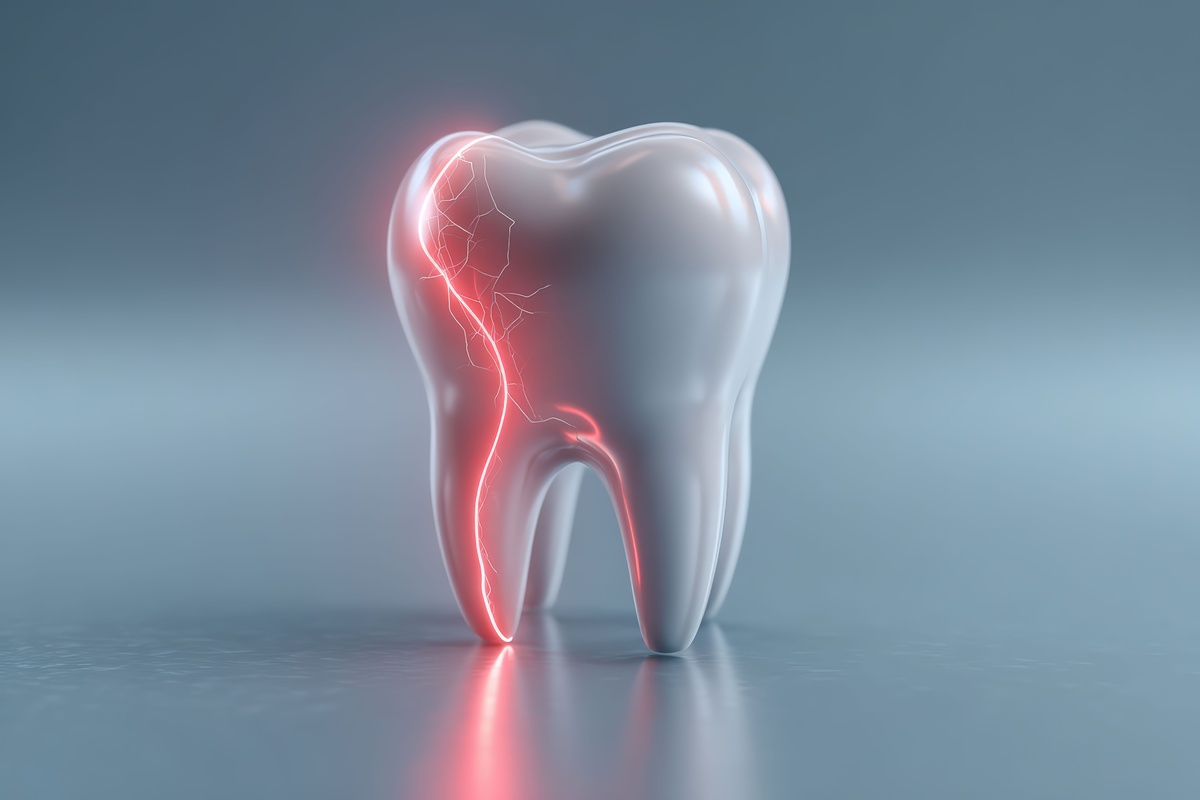
Cracked or chipped teeth, worn fillings, and cavities can create direct pathways for stimuli to reach the nerve inside your tooth. Even a small crack that is not visible to you can let temperature changes and bacteria reach sensitive inner layers, and the discomfort often shows up as a sharp pain when you bite down rather than a general ache.
Teeth Grinding and Clenching
Grinding or clenching your teeth, especially during sleep, wears down enamel and can create microscopic cracks that allow sensitivity to develop over time. Many people are not aware they grind their teeth until a partner notices the sound or a dentist points out worn edges during a routine exam, so ongoing sensitivity paired with jaw soreness or headaches is worth mentioning at your next visit.
Managing Tooth Sensitivity at Home
A few consistent habits can ease sensitivity between visits and keep new triggers from taking hold.
Everyday Habits That Protect Your Enamel
Simple changes to your daily routine can reduce sensitivity triggers and keep the condition from worsening. A soft-bristled toothbrush and a gentle touch protect existing enamel, and rinsing with water after acidic foods or drinks helps neutralize the acid before it has a chance to soften your enamel further. The following habits address the most common everyday triggers:
- Use a soft-bristled toothbrush and a gentle brushing technique to protect existing enamel.
- Wait at least 30 minutes after eating or drinking anything acidic before you brush.
- Rinse with plain water after acidic foods or drinks to help neutralize the acid.
- Use a straw for acidic drinks to reduce how much contact they have with your teeth.
- Try a saltwater rinse for short-term relief while you wait for your next appointment.
These habits work best alongside a toothpaste made for sensitive teeth, which most patients notice improvement from within several weeks of consistent use.
When a Night Guard Can Help
If grinding or clenching is contributing to your sensitivity, a custom night guard worn while you sleep can protect your enamel from further wear. Over-the-counter guards from a pharmacy rarely fit as well as one made from an impression of your own teeth, and a poor fit can shift your bite or make jaw soreness worse rather than better.
Professional Treatments for Tooth Sensitivity
When at-home care is not enough, a range of in-office treatments can address sensitivity at its source rather than simply masking the discomfort.
Desensitizing Agents and Fluoride Varnish
Professional-strength desensitizing agents block the tubules in dentin that transmit pain signals to the nerve, often providing relief within a single visit. Fluoride treatments work in a similar way, strengthening enamel and helping to seal exposed dentin so that hot, cold, and sweet stimuli are less likely to trigger pain. Both options are comfortable, take only a few minutes to apply, and can be repeated at future visits if sensitivity returns.
Dental Bonding
For sensitivity linked to a small crack, a worn area, or an exposed root surface, dental bonding can cover the affected area with a tooth-colored resin that blocks stimuli from reaching the nerve. Bonding is typically completed in one appointment and can also improve the appearance of the treated tooth.
Root Canal Therapy for Severe Cases
When sensitivity is severe, persistent, or linked to a deeply cracked tooth or advanced decay, root canal therapy may be the most effective way to relieve pain by removing the irritated or infected tissue inside the tooth. This option comes up far less often than the conservative treatments above, and Dr. Poblenz only recommends it after other explanations for your discomfort have been ruled out.
For patients with more complex needs, our restorative dentistry options can address underlying structural issues while restoring comfort and function together.
Preventing Future Tooth Sensitivity
Prevention comes down to protecting the enamel and gum tissue you already have. Brushing gently with a soft-bristled toothbrush, limiting acidic foods and drinks, and keeping up with regular cleanings all reduce the risk of new sensitivity developing. According to Cleveland Clinic, sensitivity can also follow routine dental work like a filling or a professional cleaning, and this type of short-term discomfort typically resolves within a few days without additional treatment. Persistent or worsening pain, on the other hand, is a signal worth bringing to your dentist rather than managing indefinitely with over-the-counter products. Routine exams give Dr. Poblenz the chance to catch early enamel wear, gum recession, or a developing crack before it becomes a larger, more sensitive problem.
Find Relief for Your Tooth Sensitivity at JAX Dental Studio
Dr. Charles Poblenz has helped hundreds of Jacksonville patients work through tooth sensitivity with treatment plans built around the specific cause rather than a one-size-fits-all approach. He stays current with continuing education in restorative and preventive techniques, and our team supports that same standard of care across every visit, from your first evaluation through any follow-up treatment.
You do not have to keep avoiding your favorite foods and drinks to manage sensitive teeth. We accept most insurance plans and offer flexible financing options so cost does not stand between you and relief, and a straightforward evaluation is the fastest way to find out what is causing your discomfort. Visit our contact form to schedule your appointment and take the first step toward comfortable, pain-free eating and drinking.
Frequently Asked Questions About Tooth Sensitivity
How Long Does It Take for Tooth Sensitivity Treatment to Work?
Relief timelines depend on the treatment. In-office options like fluoride varnish or a desensitizing agent often ease pain within a single visit, though full benefit can take a few days to set in. A toothpaste made for sensitive teeth usually needs several weeks of consistent use before you notice a meaningful difference, since it works by gradually blocking pain signals rather than providing instant relief. If your sensitivity has not improved after a few weeks of home care, scheduling an evaluation helps identify whether a different cause is involved.
Can Tooth Sensitivity Go Away on Its Own?
Mild, short-term sensitivity, such as the kind that sometimes follows a professional cleaning or a new filling, often fades within a few days without any treatment. Sensitivity that lingers for weeks, worsens over time, or comes with visible damage to a tooth is less likely to resolve on its own and usually points to an underlying cause like enamel erosion, gum recession, or a crack. Getting an evaluation early can prevent a manageable issue from becoming a more serious one.
Does Teeth Whitening Always Cause Sensitivity?
Not always, but temporary sensitivity is a common side effect, particularly with stronger bleaching agents or whitening used more often than recommended. The discomfort usually fades within a few days as the enamel settles. Using a product exactly as directed, spacing out treatments, and choosing a professionally supervised option rather than an over-the-counter kit all lower the chances of lingering sensitivity. If sensitivity from whitening does not improve after a few days, let your dentist know.
Is Tooth Sensitivity Always a Sign of a Cavity?
Not necessarily. Sensitivity has several possible causes, including enamel erosion, gum recession, teeth grinding, and cracked teeth, and a cavity is only one of them. The type of pain can offer clues, since a sharp jolt from sweets or temperature often points to exposed dentin rather than decay, while pain that is localized to one specific tooth deserves a closer look. An exam is the only reliable way to tell these causes apart.
What Foods Should I Avoid If I Have Sensitive Teeth?
Acidic foods and drinks, including citrus fruit, wine, tomatoes, and soda, can soften enamel and make sensitivity worse, especially if you brush right after having them. Very hot or very cold foods can also trigger discomfort in already sensitive teeth. You do not need to eliminate these items completely. Waiting before you brush, rinsing with water afterward, and using a straw for acidic drinks all help protect your enamel while still letting you enjoy the foods you like.