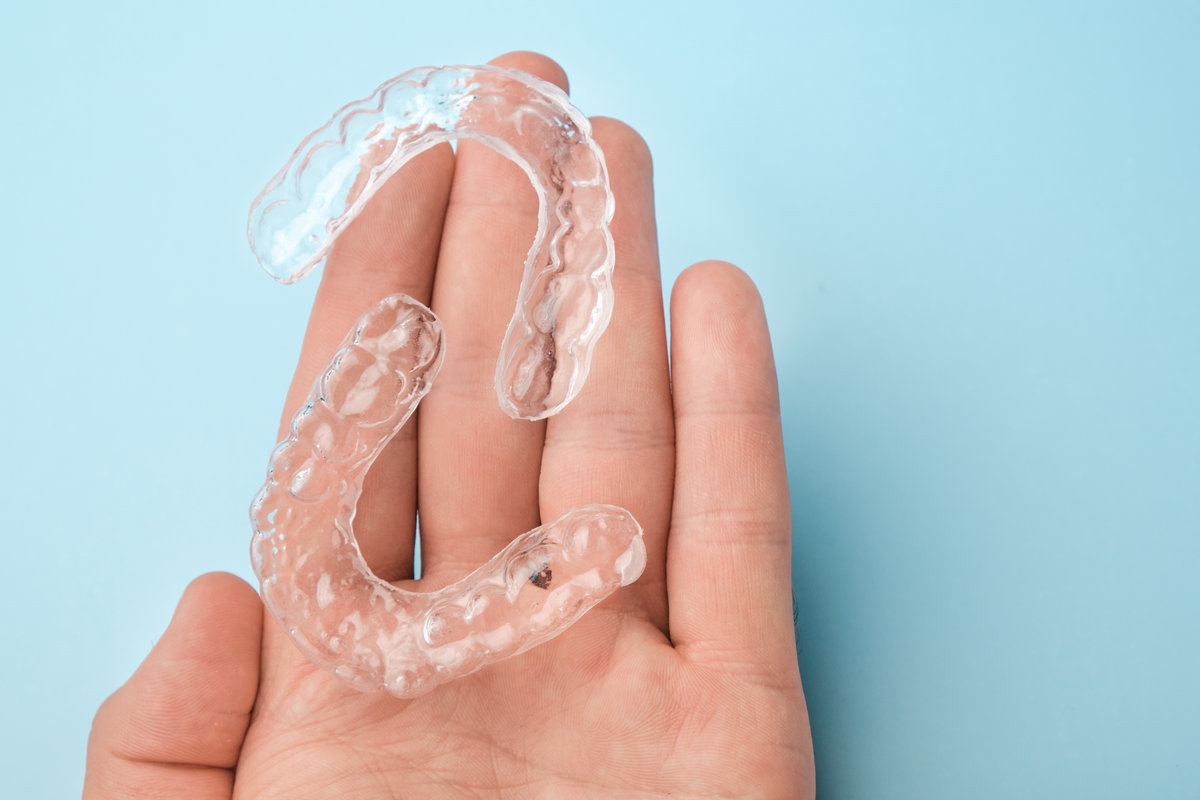
Both clear aligner therapy and traditional braces straighten teeth and correct bite problems, but they do so through different methods. The answer to which option is better depends on your lifestyle, the complexity of your orthodontic needs, and your personal preferences. Clear aligner therapy offers removable, nearly invisible aligners, while traditional braces use fixed metal brackets and wires.
Understanding how these treatments work helps you make an informed decision about your smile. Each option has strengths in different situations, and the right choice varies from person to person.
How Clear Aligner Therapy Works
Clear aligner therapy uses a series of custom-made, removable plastic trays to gradually shift teeth into proper alignment. You wear each set of aligners for about two weeks before moving to the next set in the series. Most patients wear their aligners for 20 to 22 hours per day, removing them only for meals and oral hygiene.
The treatment begins with digital scans or impressions of your teeth. These create a precise 3D model that maps out your entire treatment plan, showing how your teeth will move from start to finish. Every few weeks, you receive a new set of aligners that continue to guide your teeth toward their final positions.
Clear aligners work best for mild to moderate cases of misalignment, including crowding, spacing issues, and some bite problems. The treatment typically takes 12 to 18 months, though this varies based on your specific needs.
How Traditional Braces Work
Traditional braces attach small brackets to each tooth, connected by a thin wire that runs through them. Your dentist tightens the wire during regular adjustment appointments, applying steady pressure to move teeth into position. Most patients need adjustments every four to six weeks.
Braces can address more complex orthodontic issues than clear aligners. They work well for severe crowding, significant bite problems, and cases involving tooth rotation. The continuous pressure from fixed braces provides precise control over tooth movement in all directions.
Treatment with braces usually takes 18 to 24 months, depending on the extent of correction needed. Unlike clear aligners, you cannot remove braces between appointments, which means they work around the clock.
Comparing Appearance and Comfort
Clear aligner therapy offers a discreet appearance. The thin plastic trays are nearly invisible when you smile or talk, making them popular with adults and teens who prefer a subtle treatment option. You can remove them for photos, special events, or important presentations.
Traditional braces are more noticeable, with metal brackets visible on the front of your teeth. While modern braces are smaller and less obvious than older versions, they remain a more prominent feature during treatment.
For comfort, clear aligners typically cause less irritation to your cheeks and gums. Traditional braces can create sore spots, especially after adjustments, though most patients adjust within a few days. Both treatments may cause mild discomfort when teeth are actively moving, but this usually passes quickly.
Daily Life With Each Option
Clear aligners offer flexibility in your daily routine. You remove them before eating, so you can enjoy all your favorite foods without restrictions. This also makes brushing and flossing easier, helping you maintain better oral health during treatment.
Traditional braces require dietary adjustments. You need to avoid hard, sticky, and chewy foods that could damage brackets or get stuck in the wires. Cleaning around braces takes more time and effort, often requiring special tools like floss threaders or interdental brushes.
The removability of clear aligners requires discipline. You must remember to wear them for the recommended 20 to 22 hours daily for treatment to stay on track. With braces, you don’t have to think about compliance, they work continuously without needing your attention.
Treatment Effectiveness
Both options successfully straighten teeth, but they excel in different situations. Traditional braces handle severe cases better, including complex bite corrections, significant tooth rotations, and vertical tooth movements. The fixed nature of braces gives your dentist precise control throughout treatment.
Clear aligner therapy works well for straightforward cases. Technology has expanded what aligners can accomplish, but some complex movements still require braces. Your dentist at JAX Dental Studio can evaluate your specific needs and recommend the most effective option.
Success with either treatment depends on following your dentist’s instructions. With clear aligners, this means wearing them as directed. With braces, it means attending all adjustment appointments and avoiding foods that could cause damage.
Key Factors to Consider Before Choosing Between Braces or Clear Aligners
When choosing between clear aligners and traditional braces, several important factors can guide your decision:
- Complexity of your case: Traditional braces typically work better for severe misalignment, significant bite problems, or complex tooth rotations, while clear aligners handle mild to moderate cases effectively.
- Lifestyle preferences: Clear aligners allow you to eat without restrictions and remove them for special occasions, while braces require dietary changes but eliminate the need to remember to wear them.
- Aesthetic concerns: Clear aligners offer a nearly invisible appearance during treatment, whereas traditional braces are more noticeable but have become smaller and less prominent over time.
- Treatment compliance: Clear aligners require discipline to wear them 20 to 22 hours daily, while braces work continuously without requiring patient vigilance.
- Oral hygiene routine: Clear aligners make brushing and flossing easier since you can remove them, while braces demand more time and specialized cleaning tools to maintain good dental health.
Understanding these factors helps you have a productive conversation with your dentist about which option aligns best with your needs and goals.
Get Started at JAX Dental Studio
The best option depends on your lifestyle, orthodontic needs, and personal preferences. Dr. Charles Poblenz at JAX Dental Studio evaluates each patient individually to recommend the most appropriate treatment. He considers the complexity of your case, your comfort with wearing removable aligners, dietary preferences, and aesthetic concerns.Dr. Poblenz, a member of the American Academy of Clear Aligners, has extensive experience with both treatment options. He can explain which approach will work best for your situation and help you understand what to expect throughout treatment. Whether you choose clear aligners or traditional braces, the team at JAX Dental Studio supports you through every step toward your new smile. Contact us today to schedule a consultation and discuss your orthodontic goals.