Home / Restorative Dentistry / Dental Crowns
AACD MEMBER DENTIST • JACKSONVILLE, FL
Restore weakened, cracked, or severely decayed teeth with custom porcelain crowns that look and function like natural teeth. Dr. Charles Poblenz, DMD uses high-quality ceramic materials for durable, natural-looking crowns at JAX Dental Studio.
from 500+ Google reviews
typical crown lifespan with proper care
in network, plus CareCredit and Cherry
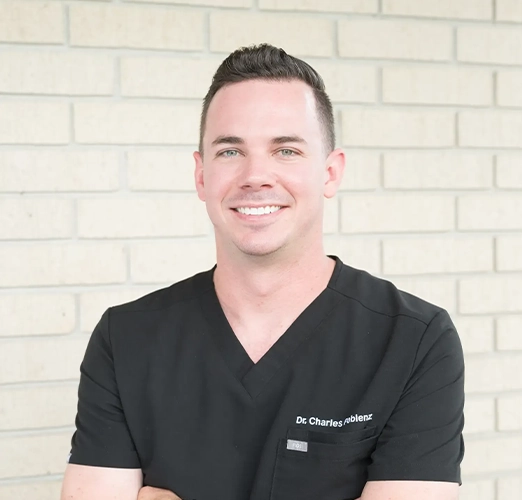
Clinically reviewed by Dr. Charles Poblenz, DMD
Updated November 2026 · View credentials
4.9 stars from 500+ Google reviews
Member, American Dental Association
Member, American Academy of Cosmetic Dentistry
Monthly financing with CareCredit and Cherry
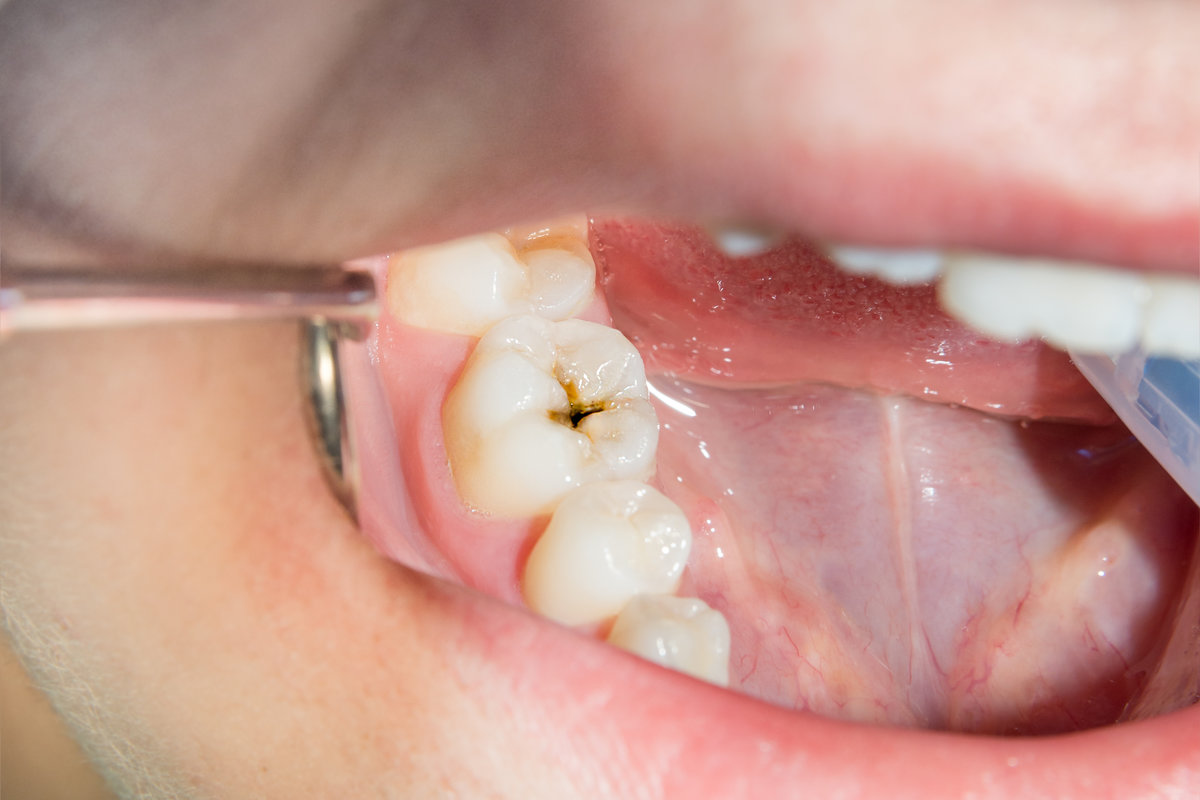
A tooth that has been weakened by decay, cracked from an injury, or broken down by years of wear cannot heal itself. Left untreated, the damage spreads, causing pain, infection risk, and eventual tooth loss. For patients across Jacksonville looking to protect a compromised tooth and restore a fully functional smile, a dental crown is one of the most reliable solutions available in restorative dentistry.
At JAX Dental Studio, Dr. Charles Poblenz, DMD places custom porcelain crowns designed to match your natural teeth in color, shape, and feel. Using iTero 5D digital scanning and precise color-matching, every crown we deliver is built for long-term comfort and durability. If a damaged or weakened tooth is affecting your daily life, our Jacksonville, FL team is ready to help you protect it.
preparation, then fitting and placement
between visits, with a temporary crown in place
matched to the tooth’s location and chewing load
typical lifespan with proper care
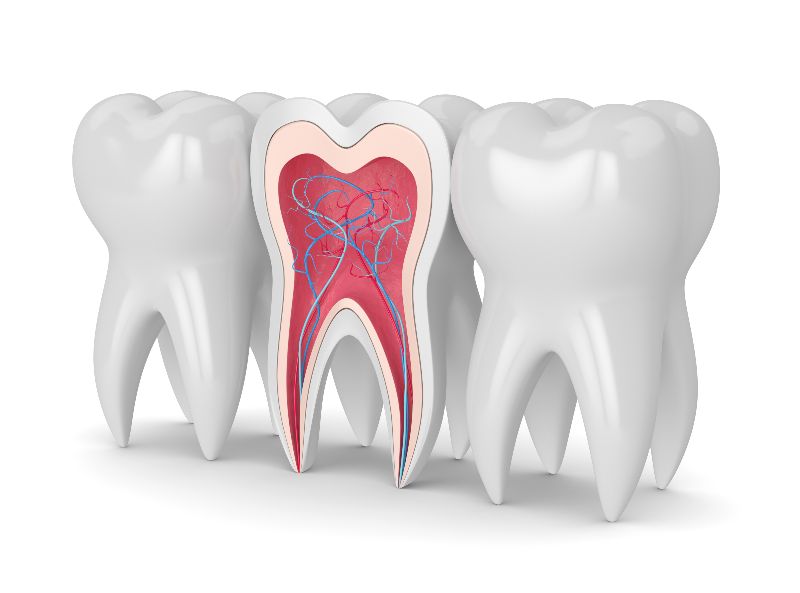
A dental crown is a custom-made, tooth-shaped cap that fits securely over a damaged or weakened tooth, restoring its shape, size, strength, and appearance. Unlike a dental filling, which repairs a small area of decay, a crown encases the entire visible portion of the tooth above the gumline.
When decay is too large or deep to support a filling, a crown covers and protects what remains of the tooth.
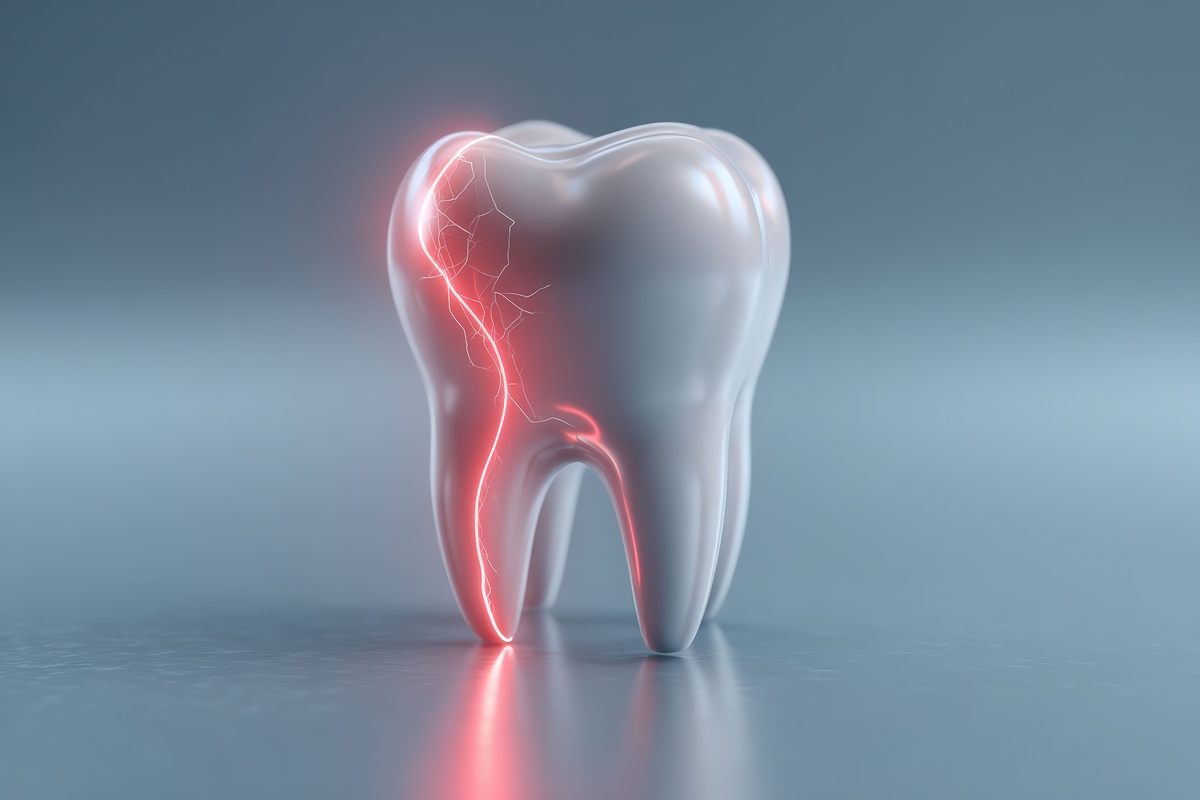
A cracked, chipped, or fractured tooth at risk of splitting further, or one worn down from grinding or heavy chewing.
A tooth that has undergone root canal treatment often needs a crown for reinforcement.
A crown is the final restoration placed on a dental implant, and it can anchor a dental bridge.
Dr. Poblenz will evaluate your tooth and walk you through your options before recommending any treatment.
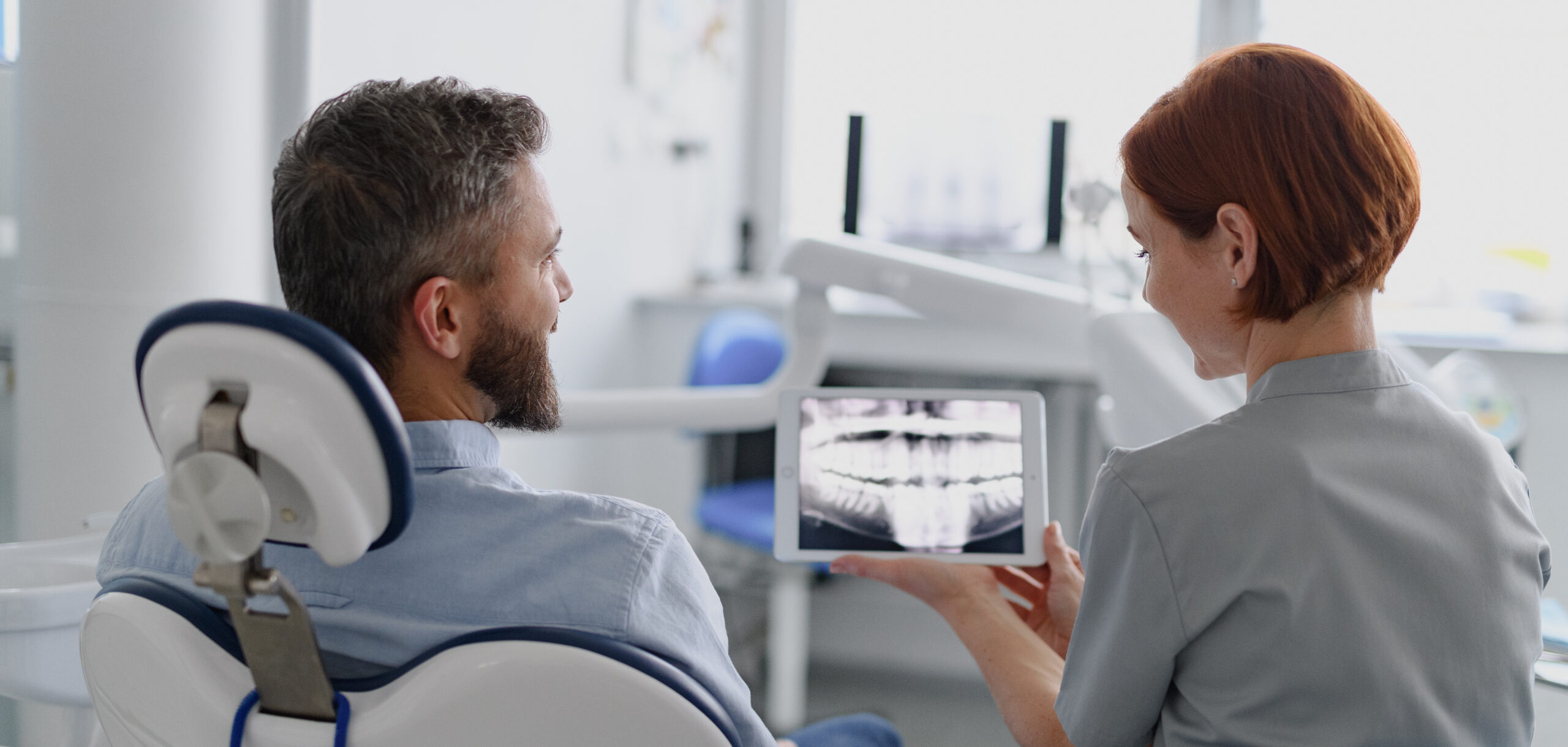
A filling handles decay caught early in a small part of the tooth. Needing a crown instead of a filling means the damage has spread or the tooth has cracked or weakened. Digital X-rays show which one fits.
Often, yes. A tooth that has had root canal treatment can become brittle, and a crown reinforces it so it can handle normal chewing again.
In some cases. A crown can cover a severely discolored or misshapen tooth when other cosmetic options, such as porcelain veneers, are not appropriate.
A large existing filling that is breaking down is one of the clearest signs a tooth may need a crown, because there may not be enough tooth left to hold another filling.
Your tooth is numbed with local anesthesia, then decayed and damaged enamel is removed and the tooth is reshaped for the crown.
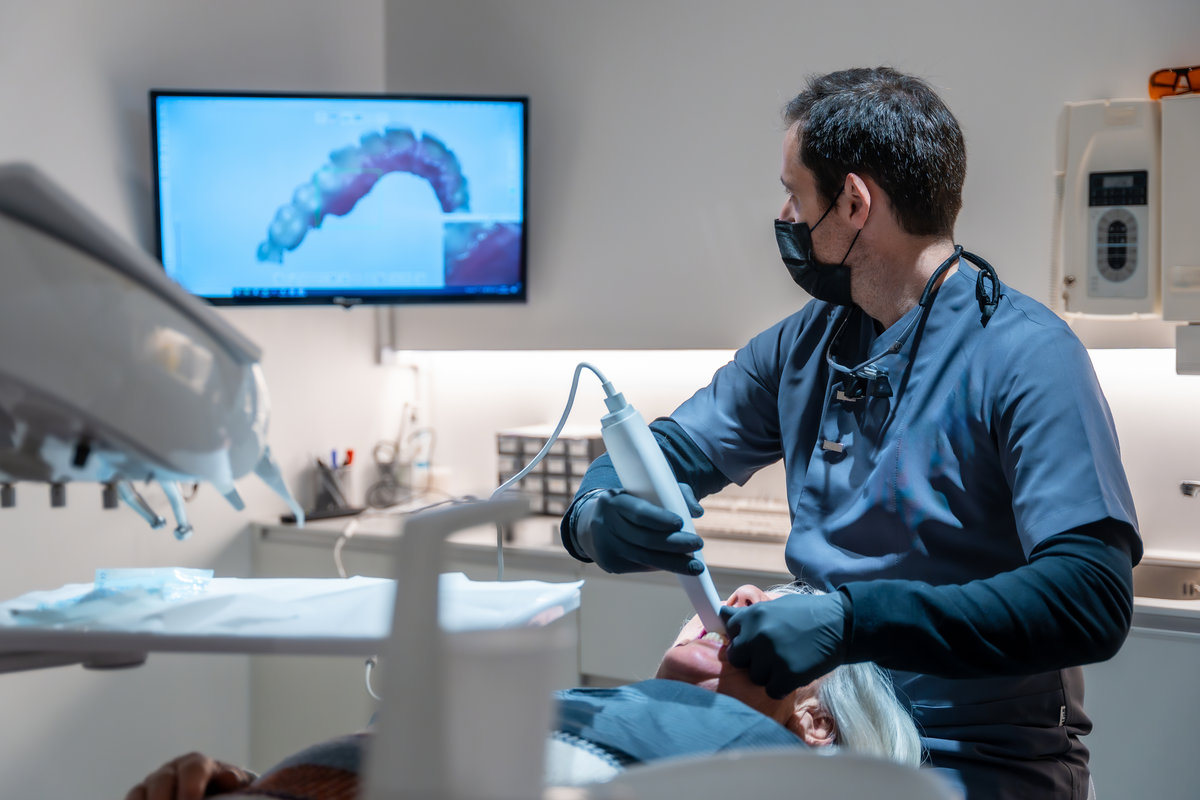
Impressions or iTero 5D scans of your teeth are taken, along with photos, so your porcelain crown matches your existing teeth.
Your permanent crown takes a few weeks to make, so a temporary resin crown protects the newly trimmed tooth in the meantime.
Dr. Poblenz checks the fit, makes any minor adjustments, then bonds the crown permanently with dental cement.
The right material depends on where the tooth is located, how much chewing pressure it endures, and how visible it is in your smile. According to the American Dental Association, crown material selection should account for tooth location, function, and aesthetic goals.
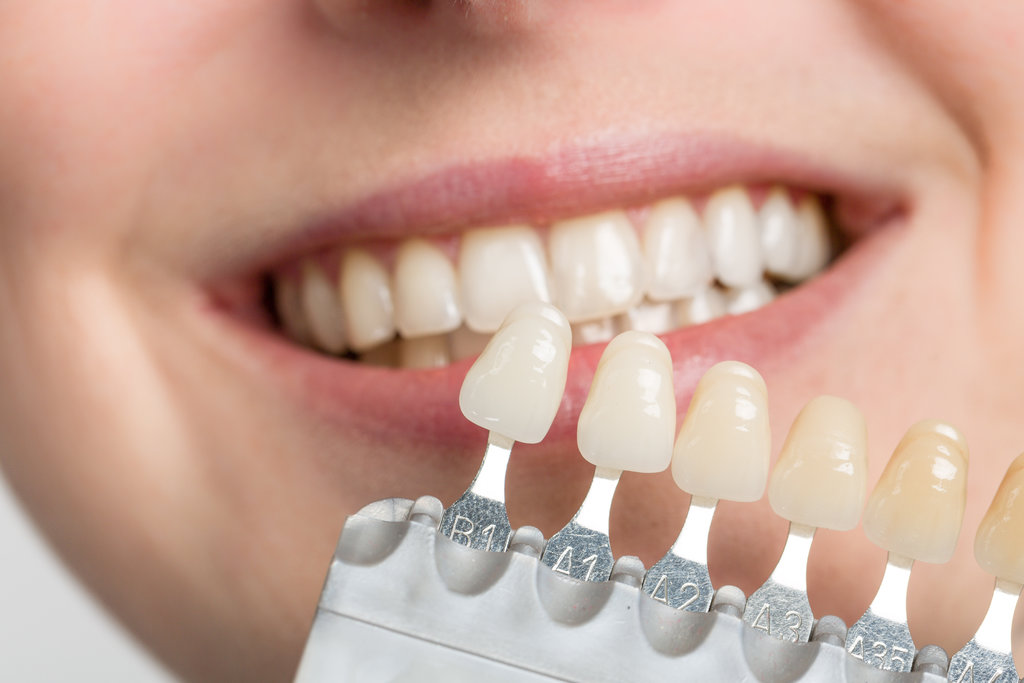
Precisely color-matched to blend with surrounding teeth.
Look: Most natural
Best for: Front teeth and visible areas
An extremely durable ceramic that resists chipping.
Look: Tooth-colored
Best for: Back teeth that need strength
A ceramic exterior over a metal core.
Look: More natural than full metal
Best for: When strength and looks both matter
Gold or base metal alloys, the most wear-resistant option.
Look: Metallic
Best for: Back molars, out of sight
Dr. Poblenz walks you through the options at your consultation so you can decide with confidence.
See every tool we use on our technology page.
Instead of a tray of impression putty, we scan your teeth. In a few minutes it builds a 3D model on screen, and we use these scans to plan dental crowns.
Digital X-rays appear on screen right away and use less radiation than film. We review them with you, so you can see the cavity or crack we are talking about. About our X-rays
Photos of your teeth guide the shade of your crown, so a porcelain crown looks just like a natural tooth.
Dr. Poblenz was born and raised in Jensen Beach, Florida, and earned his Bachelor of Science in Psychology with a minor in Chemistry from the University of North Florida. He completed his Doctorate of Dental Medicine at the University of Kentucky College of Dentistry in 2015 and returned to Jacksonville to begin his career.
For patients who need a dental crown, Dr. Poblenz uses iTero 5D digital scanning to take precise impressions, matches the restoration to your natural tooth color, and oversees every step from preparation through final placement. He also volunteers with the Donated Dental Services program, providing free care to community members who cannot afford treatment.
Member
Member, Academy of General Dentistry
University of Kentucky
Reviewed by Dr. Charles Poblenz, DMD | Read his full bio
Insurance often covers part of the cost when a crown is medically necessary, so the cost of a dental crown is worth confirming early.
All-ceramic, zirconia, porcelain-fused-to-metal, and metal alloy crowns each carry a different cost.
Where the tooth sits and how much chewing load it handles shape the material and the fee.
Extra treatment beforehand, such as root canal therapy, adds to the total.
When a crown is medically necessary, most dental insurance plans cover a portion of the cost. We accept many PPO plans, verify your benefits before treatment begins, and are in network with:
For any remaining balance, spread payments over time, subject to approval. Details on our insurance and financing page.
Address: 3647 Hendricks Ave, Jacksonville, FL 32207
Phone: (904) 396-4091
Hours: Mon to Thu, 8am to 4:30pm; Fri to Sun, closed
Don’t see your question? Call us at (904) 396-4091.
Dental crowns treat a wide range of functional and cosmetic problems. Most commonly, they protect teeth with severe decay that a filling can no longer adequately support, hold together cracked or fractured teeth at risk of splitting further, and reinforce teeth that have undergone root canal treatment. A crown is also used to complete a dental implant restoration, cover a tooth that is severely worn, and in some cases address significant discoloration or shape irregularities when other cosmetic options are not appropriate.
The clearest signals are visible tooth damage, ongoing pain or sensitivity when biting, a large existing filling that is failing, or a tooth that has recently had root canal therapy. Your dentist will evaluate the tooth with an examination and X-rays to determine whether a crown is the right restoration. Teeth do not repair themselves, so earlier care generally leads to a simpler and more successful outcome.
The tooth is numbed with local anesthesia before it is prepared, so most patients feel pressure rather than pain. Some tenderness or sensitivity for a few days afterward is common and usually fades on its own.
A temporary crown is made of resin and protects your trimmed tooth for the few weeks while your permanent crown is being made. The permanent crown is custom-shaped and color-matched to your teeth, then bonded in place with dental cement.
A well-placed dental crown can typically last 10 to 15 years with proper care. The lifespan depends on the material, the tooth’s location and chewing load, and how consistently you brush, floss, and attend regular checkups. If you grind your teeth at night, a custom nightguard can protect your restoration and help extend its life.
Care for a crowned tooth the same way you would a natural one. Brush twice daily with a fluoride toothpaste, paying close attention to the margin where the crown meets the gumline, and floss once a day. The crown itself resists decay, but the natural tooth underneath does not. Avoid chewing hard objects like ice or hard candy. Crowns do not respond to whitening treatments, so if you plan to brighten your smile, doing so before crown placement lets us match the crown to your new shade.
A crown that feels loose, has chipped or cracked, causes new pain or sensitivity, or shows a gap or dark line at the gumline should be checked. Regular checkups let us spot wear early, before the tooth underneath is affected.
When a crown is medically necessary, most dental insurance plans cover a portion of the cost, typically around 50 percent after your deductible is met. Crowns placed for cosmetic purposes alone are less likely to be covered. We are in network with BlueCross BlueShield, Humana, Cigna, Aetna, and Florida Combined Life, verify your benefits before treatment begins, and offer CareCredit and Cherry financing for any remaining balance.
Repairs smaller areas of decay caught early.
Treats infection inside the tooth before a crown.
Replaces a missing tooth, finished with a crown.
Uses crowns on neighboring teeth to fill a gap.
Whether you need to protect a damaged tooth, reinforce a tooth following root canal therapy, or complete a dental implant restoration, we build each crown to blend naturally with your smile and hold up to everyday use.
3647 Hendricks Ave, Jacksonville, FL 32207
Mon to Thu: 8am to 4:30pm | Fri to Sun: Closed
Send us a few details and our team will reach out to schedule your visit.