Medically Reviewed by Dr. Charles Poblenz, DMD on September 2, 2026
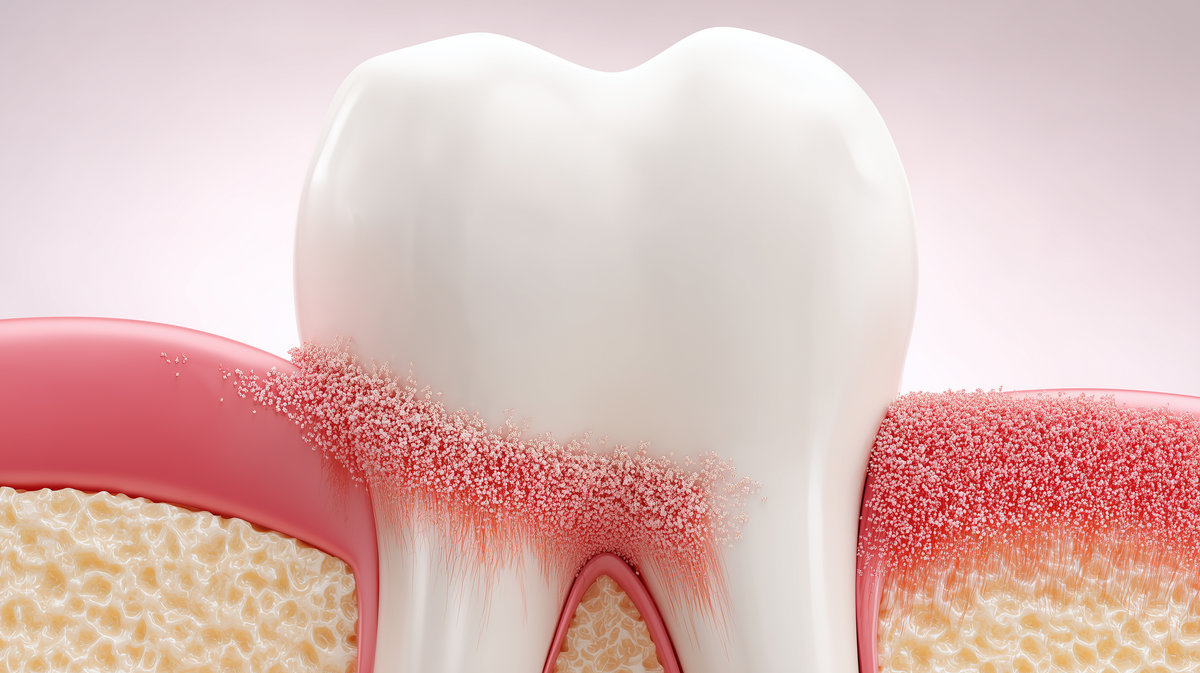
Gum recession is one of those conditions that tends to creep up quietly. There are no sudden, obvious symptoms at first, and many people do not realize anything is wrong until their teeth look longer than they used to or sensitivity becomes hard to ignore. By the time those changes become noticeable, the gum tissue has already pulled back from where it belongs, leaving the roots of the teeth exposed and vulnerable. The good news is catching recession early makes a real difference in what treatment looks like and how well it works.
At JAX Dental Studio in Jacksonville, Florida, Dr. Charles Poblenz helps patients catch and address gum recession before it becomes a bigger problem. Through thorough periodontal evaluations and personalized periodontal care, our team takes a proactive approach to gum health so patients can keep their teeth and protect their smiles for the long term.
What Does Gum Recession Look Like?
Gum recession happens when the gum tissue surrounding your teeth gradually wears away or pulls back, exposing more of the tooth or its root. It can affect one tooth or several, and it often progresses slowly enough that people adapt without noticing. One of the clearest visual signs is teeth that appear longer than they used to, particularly along the front of the mouth.
Other signs worth paying attention to include increased tooth sensitivity, especially when eating hot, cold, or sweet foods. You may also notice a notch or groove near the gum line on the affected teeth, or a visible difference in color between the crown and the exposed root surface. If you have been wondering what gum disease looks like, recession is often one of the more visible indicators that something is going on beneath the surface.
What Causes Gums to Recede?
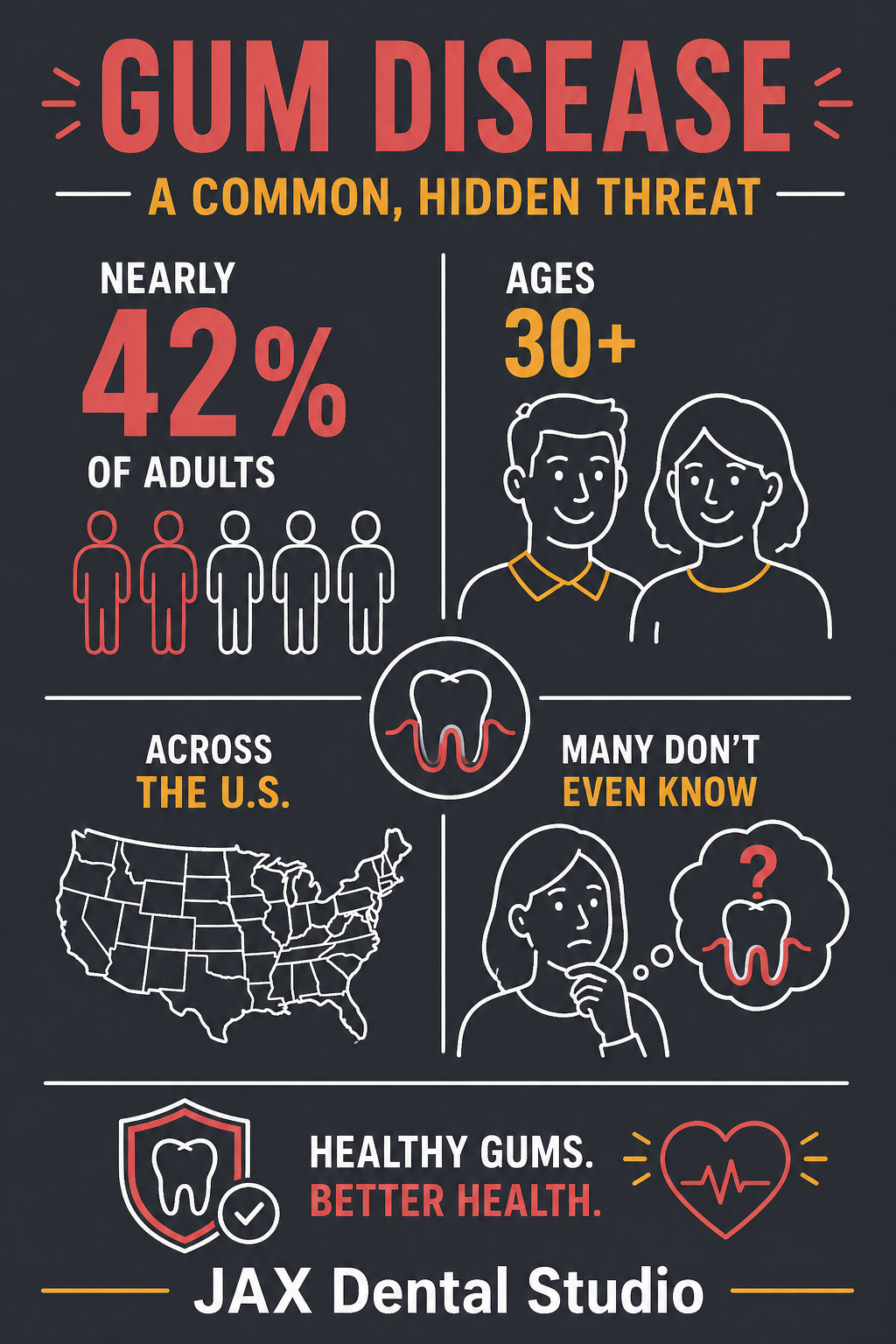
Periodontal disease is one of the most common drivers of gum recession. As bacterial buildup triggers chronic inflammation in the gum tissue, the tissue begins to break down and pull away from the teeth. According to the National Institute of Dental and Craniofacial Research, about 42% of adults aged 30 and older in the United States have some form of periodontal disease, many of whom may not know it. Left unaddressed, gum disease treatment becomes more involved, and the damage becomes harder to reverse.
Other Contributing Factors
Gum disease is not the only cause of recession. Brushing too aggressively is a surprisingly common factor, as scrubbing the gums with a hard-bristle toothbrush over time wears the tissue down rather than cleaning it. Genetics also plays a role, with some people naturally having thinner gum tissue that is more prone to receding. Additional contributors include tobacco use, clenching or grinding the teeth, certain medications, and even orthodontic treatment that moves teeth beyond the bone structure. Understanding the cause matters because it shapes what treatment approach makes the most sense.
Why Recession Tends to Progress if Left Alone
Once gum tissue pulls away from a tooth, it does not grow back on its own, and the exposed root surface has no protective enamel covering it. That makes the area more vulnerable to decay, temperature sensitivity, and further recession as bacteria find new places to collect below the gum line. According to the Cleveland Clinic, recession can also affect the bone that supports the tooth over time, which is part of why dentists recommend addressing it as soon as it is noticed rather than waiting to see if it resolves on its own.
How Is Gum Recession Treated?
Treatment for receding gums depends on how much recession has occurred and what is driving it. Mild cases caught early may respond well to a professional deep cleaning, which removes the bacteria and buildup below the gum line that contribute to tissue loss. This procedure, known as scaling and root planing, smooths the root surfaces so gum tissue can reattach more effectively.
More advanced recession may require a soft tissue graft, where tissue is used to cover the exposed root and rebuild the gum line. While gum tissue that has already receded cannot grow back on its own, grafting can restore coverage, reduce sensitivity, and protect the tooth from further damage. Staying current with dental cleanings and exams is one of the most effective ways to catch recession early and keep treatment straightforward.
What to Expect During a Periodontal Evaluation
A periodontal evaluation typically involves measuring the depth of the space between your gums and teeth at several points around each tooth, checking for bleeding or inflammation, and reviewing dental X-rays to assess the bone level supporting your teeth. This gives your dentist a clear picture of how much recession is present and whether it is tied to active gum disease, a bite issue, or another contributing factor, which then guides which treatment option makes sense for your situation.
Can You Prevent Gum Recession?
Prevention is possible, and the steps are manageable. The following habits go a long way toward protecting your gum tissue over time:
- Brush gently with a soft-bristled toothbrush using light, circular motions
- Floss daily to remove plaque from along and below the gum line
- Avoid tobacco products, which significantly accelerate gum tissue breakdown
- Wear a night guard if you clench or grind your teeth during sleep
- Schedule regular professional cleanings to remove hardened buildup you cannot reach at home
If tooth sensitivity is something you have been dealing with, it may be worth bringing up at your next visit, as it can be an early indicator of recession that has gone unnoticed.
Schedule Your Periodontal Evaluation at JAX Dental Studio
Gum recession is far easier to manage when it is addressed early, and the team at JAX Dental Studio is ready to help you get ahead of it. We evaluate gum health as part of every comprehensive visit and take time to walk patients through what we find and what their options are. Whether you are noticing early warning signs or simply want a clearer picture of where your gum health stands, we are here to help.
Reach out today through our contact page to schedule your appointment and take a proactive step toward protecting your smile.
Frequently Asked Questions About Receding Gums
Can receding gums grow back on their own?
No, gum tissue that has already receded does not regenerate on its own. Treatments like scaling and root planing can stop the progression in mild cases, while a soft tissue graft can restore coverage over the exposed root in more advanced cases.
Is gum recession always caused by gum disease?
Gum disease is one of the most common causes, but it is not the only one. Aggressive brushing, genetics, tobacco use, teeth grinding, and certain orthodontic movements can all contribute to recession even in the absence of active gum disease.
Is a gum graft painful?
Gum graft procedures are typically performed with local anesthesia, so patients generally do not feel pain during the treatment. Some soreness at the treatment site is common for a few days afterward and can usually be managed with the aftercare guidance your dentist provides.
How quickly does gum recession usually progress?
Gum recession typically progresses slowly over months or years rather than suddenly, which is part of why it can go unnoticed for a long time. Regular dental exams help catch subtle changes early, before the recession becomes more advanced.
Should I stop brushing if I notice receding gums?
You should not stop brushing, but you may need to adjust your technique. Switching to a soft-bristled brush and using light, circular motions instead of aggressive scrubbing can help protect the gum tissue that remains while you address the underlying cause with your dentist.
About the Author
Dentist, JAX Dental Studio
Dr. Charles Poblenz is a dentist at JAX Dental Studio in Jacksonville, Florida, where he provides periodontal evaluations and personalized gum health care. He is a member of the American Dental Association, the Academy of General Dentistry, and the American Academy of Cosmetic Dentistry, and he emphasizes catching gum recession early to keep treatment as straightforward as possible.